


7 interesting facts about Bull
- Bulls are members of the Bovidae family and are closely related to other domesticated animals such as cattle and goats.
- Bulls are generally larger and stronger than cows, with more muscle mass and a thicker neck.
- Bulls are known for their aggressive behavior, especially during breeding season.
- The domestication of bulls dates back thousands of years, with evidence of bull worship in ancient civilizations such as Egypt and India.
- Bulls are used for a variety of purposes, including dairy production, meat production, and as draft animals for farming.
- The bull’s horns are made of keratin, the same substance as human hair and nails, and grow continuously throughout their life.
- Bulls are a popular symbol of strength, power, and virility, and have been featured in many cultures and traditions, including bullfighting in Spain and Portugal.
Easy to draw a Bull drawing with just 09 steps
Step 01:

Step 02:

Step 03:
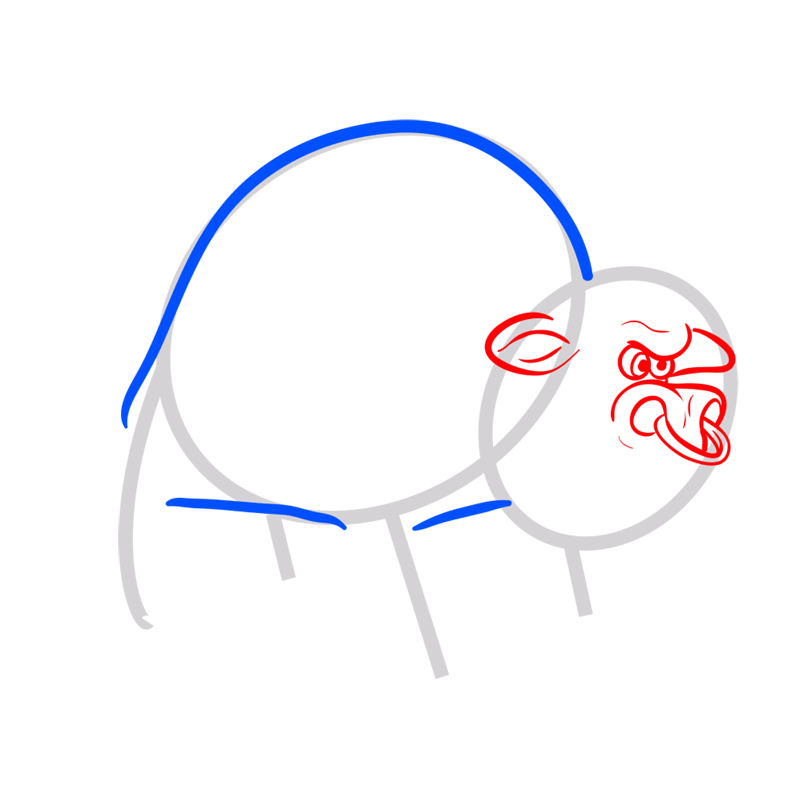
Step 04:

Step 05:

Step 06:

Step 07:

Step 08:

Step 09:


7 tips to help draw a bull
- Start with the basic shape: Draw the basic shape of the bull’s body, including its large, rounded chest and thick legs.
- Pay attention to anatomy: Study the anatomy of a bull, paying close attention to the shape of its muscles, hooves, and horns.
- Add details: Once you have the basic shape in place, add details like the eyes, nostrils, and mouth.
- Get the fur right: Bulls have a shaggy coat of fur, so use short, curved lines to represent the fur, and shade in the areas where the fur is thicker.
- Consider lighting: Light and shadow can greatly affect the look of your drawing. Consider the source of light and shade accordingly.
- Use color: Bulls are often depicted as dark brown or black, so use a dark, warm color palette to capture their appearance.
- Final touches: Finally, add finishing touches like highlights, reflections, and texture to make your drawing look more realistic. Practice and patience will improve your skills over time.